Thông số kỹ thuật của Cuộn dây mạ thiếc điện phân có lớp phủ màu xanh:
Tên sản phẩm | Cuộn dây mạ thiếc điện phân màu xanh |
Tiêu chuẩn | AISI, ASTM, BS, DIN, GB, JIS (GB/T2520, JIS G3303, ASTM A623M, EN10202) |
Vật liệu | Tấm thiếc/cuộn thiếc (MR SPCC) |
Loại thép | Cấp MR cho bao bì kim loại |
Lớp phủ thiếc | 1,1~11,2g/m2 (1,1/1,1, 2,2/2,2, 2,8/2,8, 5,6/5,6, 8,4/8,4, 11,2/11,2) |
Lớp nhiệt độ | T1~DR10 |
Ủ | BA (Ủ hàng loạt), CA (Ủ liên tục) |
Sự thụ động | 311GR |
bôi dầu | DOS |
độ dày | 0,15~0,45mm (Dung sai: /- 0,01mm) |
chiều rộng | 508~960mm (Dung sai: 0~3mm) |
chiều dài | 712~1145mm |
Lớp phủ bên trong | Sơn mài vàng/sơn mài trong suốt |
Lớp phủ bên ngoài | Kết thúc sáng bóng/kết thúc mờ |
Ứng dụng | Đối với bất kỳ Hộp đóng gói, Can, Xô, v.v. (Thực phẩm, dầu, thuốc, mỹ phẩm, nước hoa, đồ chơi, hóa chất, v.v.) |
MOQ | 2 tấn cho mỗi kích cỡ |
Công suất in | 5000 tấn mỗi Tháng |
Cảng bốc hàng | Phật Sơn/Quảng Châu/Thâm Quyến |
thời gian dẫn | 15 ~ 25 ngày sau khi nhận được tiền đặt cọc 30% T/T. |
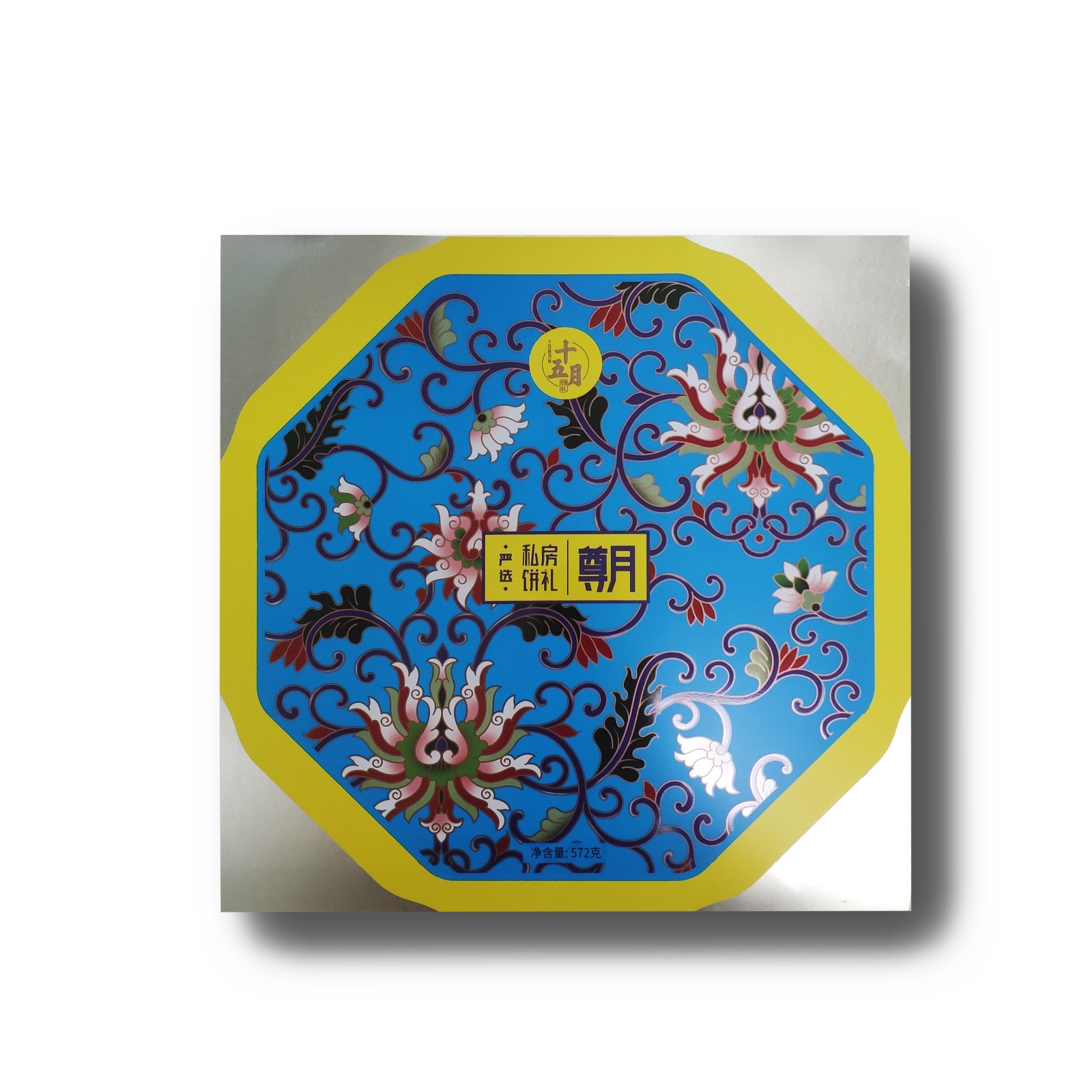
Thiết kế sản phẩm
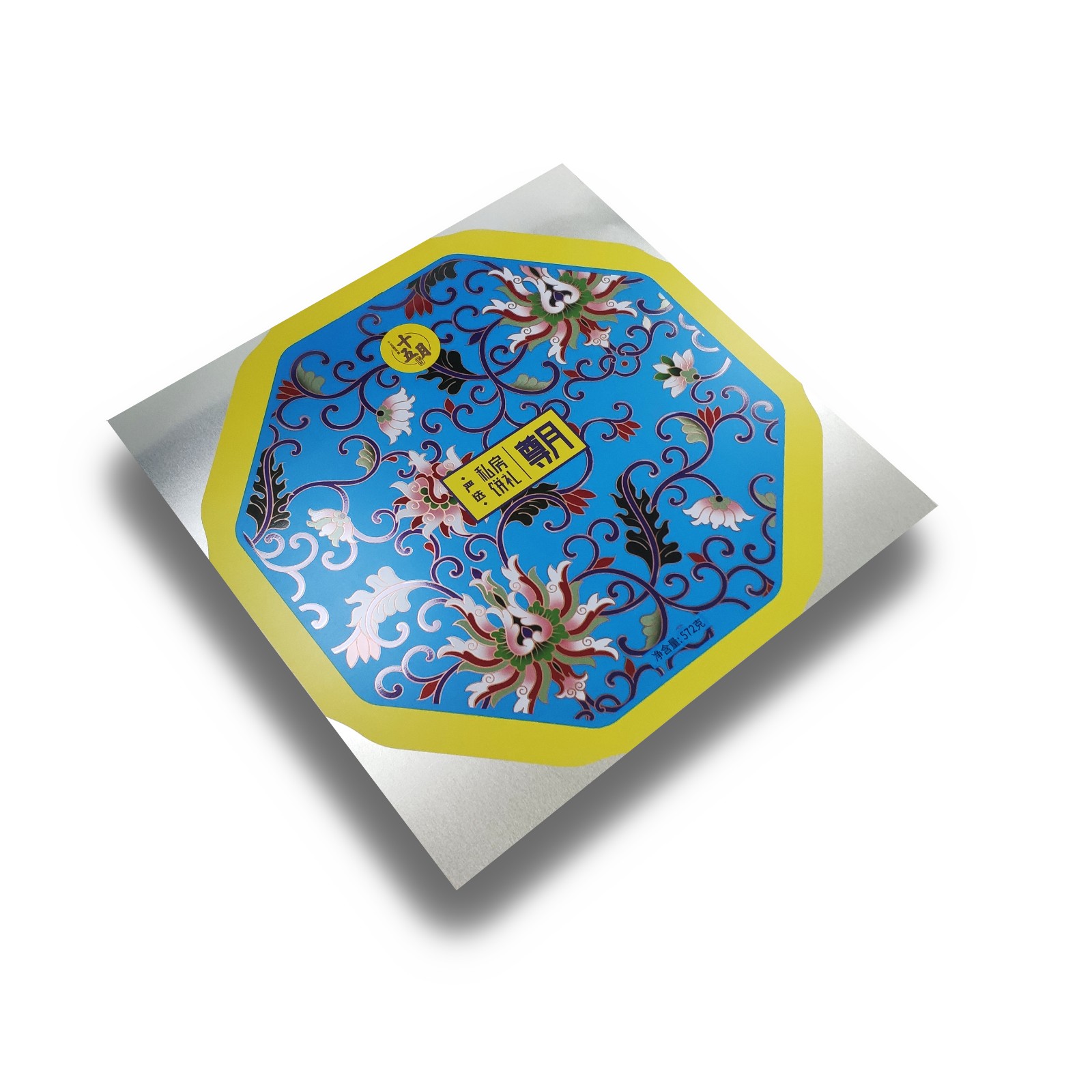
Chi tiết in ấn
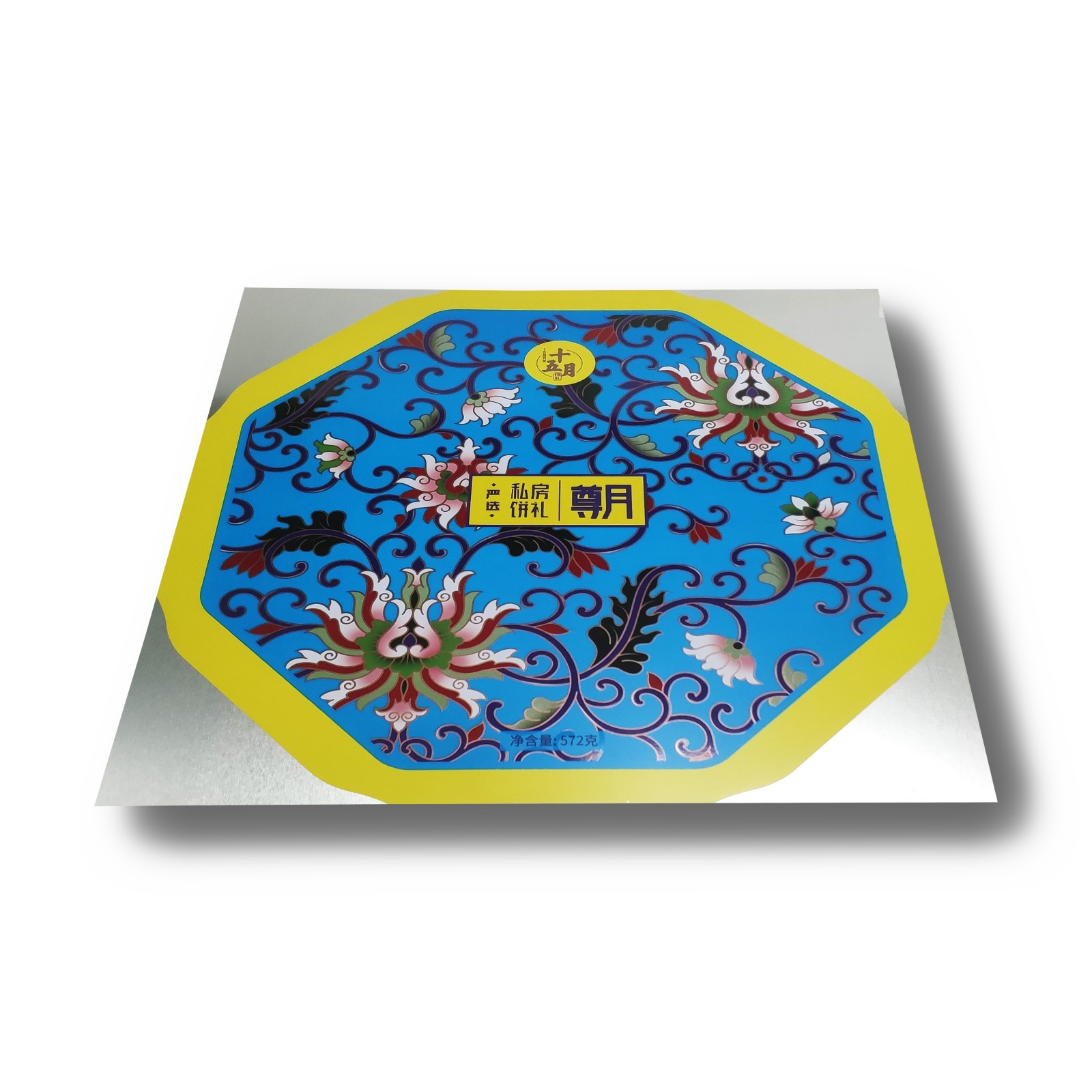
bao bì thép
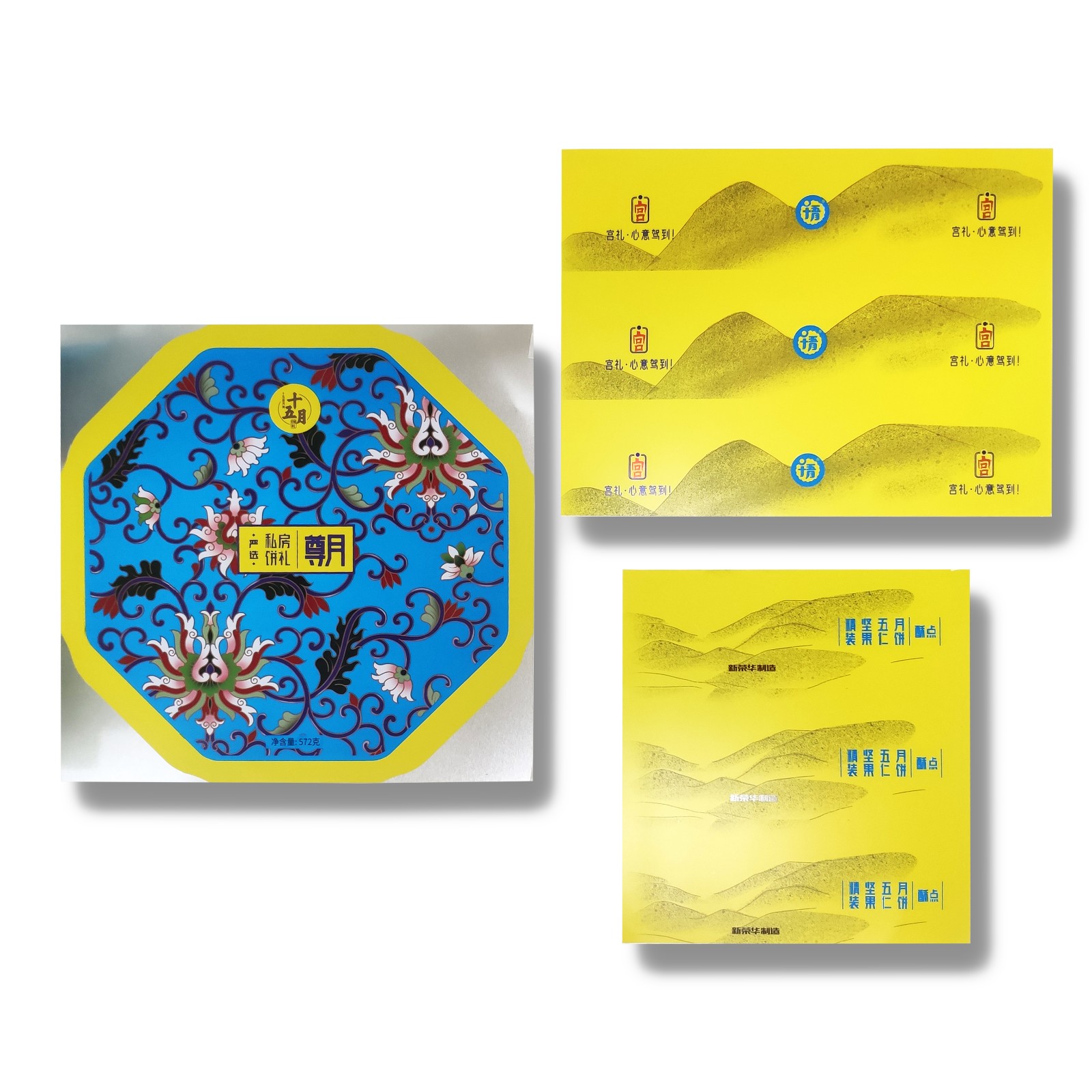
in kim loại
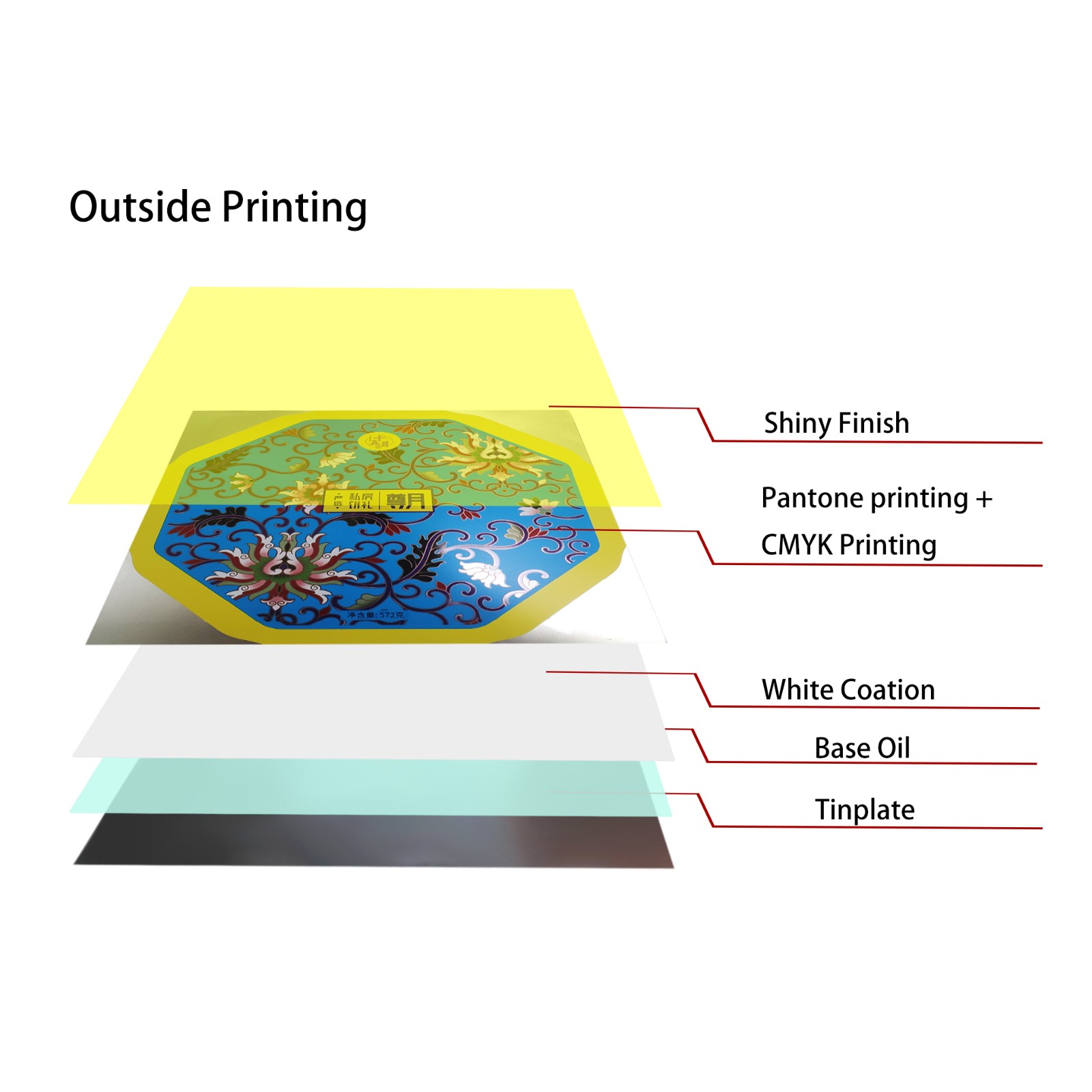
In bên ngoài
Tất cả các sản phẩm của chúng tôi đều hỗ trợ tùy chỉnh, nếu bạn cần, vui lòng liên hệ với chúng tôi.
Tiêu chuẩn cho cuộn dây mạ thiếc điện phân:
Tiêu chuẩn Vật liệu | Q/BQB 455-2009 | JIS G3315-2008 | ASTM A623M-08 | EM 10202:1989 | VN 1020:2001 | ISO 11950:1995 |
Giảm đơn | - | T-1 | T-1(49) | T50 | TS230 | TH50 CE |
T-1.5 | - | - | - | - | - | |
T-2 | T-2 | T-2(T53) | T52 | TS245 | TH52 CE | |
T-2.5 | T-2.5 | - | - | TS260 | TH55 CE | |
T-3 | T-3 | T-3(T57) | T57 | TS275 | TH57 CE | |
T-3.5 | - | - | - | TS290 | - | |
T-4 | T-4 | T-4(T61) | T61 | TH415 | TH61+CE | |
T-5 | T-5 | T-5(T65) | T65 | TH435 | TH65+CE | |
Double Reduce | DR-7M | - | DR-7.5 | - | TH520 | - |
DR-8 | LR-8 | DR-8 | DR550 | TH550 | TH550+CE | |
DR-8M | - | DR-8.5 | - | TH580 | TH580+CE | |
DR-9 | DR-9 | DR-9 | DR620 | TH620 | TH620+CE | |
DR-9M | DR-9M | DR-9.5 | DR-660 | - | TH660+CE | |
DR-10 | DR-10 | - | - | - | TH690+CE |
Surface state of electrolytic tinplate coil:
Marks | Suface state | Characteristics |
B | Bright rough | Glazed surface obtained after melting treatment of electroninned smooth raw material strip featuring certain oriented rubstone figure. |
R | Stone rough | Glazed surface obtained after melting treatment of electroninned raw material strip featuring certain oriented rubstone figure. |
S | Silver rough | Glazed surface obtained after melting treatment of electroninned raw material strip with rough matt surface. |
Tin Electrolytic Tinplate Coil raw material comes from:

(1) Iron ore is produced in Australia and Brazil
(2) Approximately 1 ton of Tin Electrolytic Tinplate Coil can be extracted from 1.8 ton of iron ore
Certificate: Approved by the ISO 9001
Production capability:
1). Our company have two factories:one factory is tinplate coating and varnishing, and the other is tin can making , supply one-stop service from plain tinplate, coated tinplate ,printed tinplate ,lacquered tinplate till the final tin cans.
2). Smooth production ability 5,000tons each month .
3). OEM/ODM , Free of charges of Logo design and printing on your goods .
what is electrolytic tinplate coil coating?
Electrolytic tinplate coil coating refers to tinplate with a thick organic compound printed on the tin plated tinplate and cured by high temperature baking, so that a layer of polymer protective coating is adhered to the surface. Compared with tinplate, coated tinplate can provide better corrosion resistance.
Materials and uses for electrolytic tinplate coil inner coating:
The milky white or colorless paint appearing inside the tinplate is a special material. The tinplate is coated with this special material when it is made to prevent the contents from eroding the inside of the tinplate and prevent the contents from being contaminated. Can effectively extend the storage time of the contents. On the tinplate of foods such as cookies and candy, you can clearly see that applying this layer of decorative material not only plays a role of decoration and prevents corrosion, but also effectively protects the tinplate from being scratched by sharp external objects Causes rust. This material used for painting inside the tinplate box has the characteristics of non-toxic and harmless, no odor, good adsorption, good adhesion, good flexibility and good corrosion resistance, and also has good high temperature resistance In the case of tinplate box heating at high temperature, no harmful substances will be generated, and the original gloss and other characteristics of the tinplate box will not be lost.
In fact, this kind of material used for painting inside the tinplate box is generally phenolic resin coating, epoxy-phenolic resin coating, acrylic resin coating and other materials. These coatings generally use amine curing agent, which is an acid-resistant material. This is also the main reason why tinplate boxes are heat-resistant, non-decomposable, and resistant to corrosion.